Salvia (Salvia verbenaca)

Antisudorífico, tónico general, estomacal, afecciones gástricas e intestinales, antidiarreico, cordial, diurético, astringente, antiséptico, antiinflamatorio de vías respi- ratorias altas, antiespasmódico, regulador de las funcio- nes menstruales, afecciones de boca y garganta, ron- quera, usos tópicos (llagas, úlceras, dermatosis).
aplicaciones culinarias y pastelería.
Otros usos y propiedades:
aplicaciones culinarias y pastelería.
La salvia es una planta muy eficaz contra la excesiva transpiración, especialmente la nocturna producida por fiebres altas. Se emplea contra las afecciones gástricas e intestinales, y concretamente sus procesos inflamatorios; es estomacal y antidiarreica. También es útil en la infla- mación de las vías respiratorias altas, tos y tuberculosis. Se le reconocen propiedades cordiales, tónicas, estimu- lantes, diuréticas, antiespasmódicas y reguladoras de las funciones menstruales.

Externamente es eficaz en inflamaciones de la cavi- dad bucal y garganta, en gargarismos para las anginas, dolor de muelas y parodontitis. Se usa como desinfec- tante de la piel en cataplasmas y baños, especialmente aquellas afecciones de origen micósido, también en dermatosis, úlceras y llagas.

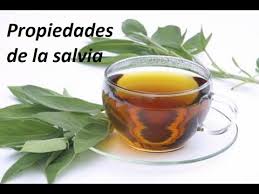
Infusión de salvia antisudorífica
A un litro de agua caliente añadir dos puñaditos de hojas secas de salvia, dejar reposar 10 minutos. Filtrar y tomar a intervalos de dos horas en caso de sudoración excesiva.
Gargarismos de salvia para afecciones de garganta
Para la laringitis e irritaciones de garganta, añadir a medio litro de agua dos cucharaditas de hojas secas de salvia, dejar a fuego lento hasta que comience a hervir. Dejar tapado reposando unos 15 minutos. Con el líquido tibio hacer gargarismos varias veces al día.
Infusión de salvia para usos internos, en afecciones gástricas, intestinales y respiratorias
Para las aplicaciones internas ya descritas, especialmente la inflamación de las vías respiratorias altas, tos y tuberculosis, se puede preparar una infusión a razón de una cucharada de hojas desmenuzadas de salvia por cada taza de agua; se mantie- ne en reposo durante 10 minutos antes de colar.
Diabetes (baja los niveles de glucosa)
En una taza de agua hirviendo agregue 2 cucharadas de hoja seca de salvia, dejar reposar unos minutos. Tomar 3 tazas al día.
Salvia (Salvia verbenaca)Antiperspirant, general tonic, stomach, gastric and intestinal disorders, antidiarrheal, cordial, diuretic, astringent, antiseptic, antiinflammatory of upper respiratory tract, antispasmodic, regulator of menstrual functions, mouth and throat affections, Topical uses (sores, ulcers, dermatoses). Other uses and properties: culinary applications and pastry.Sage is a very effective plant against excessive perspiration, especially the nocturnal one produced by high fevers. It is used against the gastric and intestinal affections, and specifically its inflammatory processes; Is stomach and antidiarrheal. It is also useful in upper respiratory, cough and tuberculosis inflammation. Cordial, tonic, stimulating, diuretic, antispasmodic and regulating properties of menstrual functions are recognized.Externally it is effective in inflammations of the buccal cavity and throat, gargles for angina, toothache and parodontitis. It is used as a disinfectant of the skin in poultices and baths, especially those conditions of mycosis origin, also in dermatoses, ulcers and sores.Infusion of anti-secretory salviaTo a liter of hot water add two handles of dried leaves of sage, let stand 10 minutes. Filter and take at intervals of two hours in case of excessive sweating.Garland of sage for throat affectionsFor laryngitis and throat irritations, add half a liter of water two teaspoons of dried leaves of sage, let it simmer until it begins to boil. Leave to cover, resting for about 15 minutes. With warm liquid gargle several times a day.Infusion of salvia for internal uses, in gastric, intestinal and respiratory affectionsFor the internal applications already described, especially inflammation of the upper respiratory tract, cough and tuberculosis, an infusion can be prepared at the rate of one tablespoon of crushed leaves of sage for each cup of water; Is allowed to stand for 10 minutes before gluing.Diabetes (lowering glucose levels)In a cup of boiling water add 2 tablespoons of dried sage leaf, let stand a few minutes. Take 3 cups a day.

Salvia (Salvia verbenaca)Antiperspirant, general tonic, stomach, gastric and intestinal disorders, antidiarrheal, cordial, diuretic, astringent, antiseptic, antiinflammatory of upper respiratory tract, antispasmodic, regulator of menstrual functions, mouth and throat affections, Topical uses (sores, ulcers, dermatoses). Other uses and properties: culinary applications and pastry.Sage is a very effective plant against excessive perspiration, especially the nocturnal one produced by high fevers. It is used against the gastric and intestinal affections, and specifically its inflammatory processes; Is stomach and antidiarrheal. It is also useful in upper respiratory, cough and tuberculosis inflammation. Cordial, tonic, stimulating, diuretic, antispasmodic and regulating properties of menstrual functions are recognized.Externally it is effective in inflammations of the buccal cavity and throat, gargles for angina, toothache and parodontitis. It is used as a disinfectant of the skin in poultices and baths, especially those conditions of mycosis origin, also in dermatoses, ulcers and sores.Infusion of anti-secretory salviaTo a liter of hot water add two handles of dried leaves of sage, let stand 10 minutes. Filter and take at intervals of two hours in case of excessive sweating.Garland of sage for throat affectionsFor laryngitis and throat irritations, add half a liter of water two teaspoons of dried leaves of sage, let it simmer until it begins to boil. Leave to cover, resting for about 15 minutes. With warm liquid gargle several times a day.Infusion of salvia for internal uses, in gastric, intestinal and respiratory affectionsFor the internal applications already described, especially inflammation of the upper respiratory tract, cough and tuberculosis, an infusion can be prepared at the rate of one tablespoon of crushed leaves of sage for each cup of water; Is allowed to stand for 10 minutes before gluing.Diabetes (lowering glucose levels)In a cup of boiling water add 2 tablespoons of dried sage leaf, let stand a few minutes. Take 3 cups a day.


No hay comentarios.:
Publicar un comentario